Complete guide to art unions in Mount Gambier, SA. Learn how charity draws work, tax implications, odds, and community impact. 2026 regulations explained.
Quick Answer: **TL;DR:** Mount Gambier community art unions are charity lottery games where 50% of ticket sales (e.g., $5 from a $10 ticket) fund local services like schools and disability programs, with prizes ranging from $5,000 to $2 million depending on draw size.
Why Mount Gambier's Community Art Unions Matter
Mount Gambier is South Australia's largest regional city. It sits 480 kilometres south-east of Adelaide. Around 28,000 people live there.
Community groups rely on art unions to fund services. Art unions are charity games. Players buy tickets to win prizes.
When you buy a ticket, about 50% goes to charity. The rest pays for costs and prizes. A $10 ticket gives $5 to local causes.
Local schools, hospitals, and youth groups get this money. South Australia's law allows registered charities to run art unions. Mount Gambier groups have used this for decades.

Photo by Petra Nesti on Pexels
How Community Art Unions Work
Art unions are lottery schemes run by charities. A registered charity gets approval from SA authorities. They set a ticket price and prize pool.
Players buy tickets with numbers. A draw date is announced. Winners get their prizes.
Art unions follow strict rules. The Charitable Gaming Act requires detailed reports. Charities must show where money goes. This protects players.
Mount Gambier groups run draws for specific projects. A school might build a science block. A disability service might buy technology. Each draw has a clear purpose.
The Ticket Sale Process
Tickets cost between $5 and $20. You buy a ticket with a number. The charity keeps a record.
Draw dates are announced early. Most Mount Gambier draws run quarterly or yearly. Larger draws take 6-12 months.
Winners are chosen randomly at public events. Prizes are announced to build trust. This encourages people to join again.
Prize Pools and Winnings
Small draws offer $5,000 to $20,000 in prizes. Large draws offer $100,000 or more. Major draws can offer property worth $500,000 to $2 million.
Draws have tiered prizes. There's one big first prize. Then come second, third, and smaller prizes. This keeps people interested.
Winners get a claim form. The charity verifies they won. Cash goes to their bank account. Physical prizes are delivered.
Key Insight: South Australian charities must file audited reports. This rule protects players. It ensures charitable money reaches its stated purpose.
Mount Gambier's Community Organisations
Mount Gambier has many community groups. They run art union draws. Understanding their work shows why your ticket matters.
Health and Disability Services
Disability groups run art unions to buy equipment. A $50,000 draw might buy wheelchairs or therapy tools. These groups serve 200-500 community members.
Health charities run draws for counselling and mental health. Regional centres like Mount Gambier lack mental health services. Art union money helps fill this gap.
Youth and Education Programs
Schools use art unions to fund student programs. They might build a tech lab or fund scholarships. They might pay for outdoor education trips.
Youth centres run draws to keep services open. They use money for mentoring programs. They support at-risk young people in the community.
These groups help regional communities. They run education programs for young people. They offer mentorship services. They reduce youth joblessness. Art unions give money without needing government funding.
Community Services and Local Support
Family charities run art unions. Homelessness services run them too. So do domestic violence groups. They use the money for housing and help.
Regional areas face big problems. There aren't many specialist services. Transport costs more. Fewer people live here. Services cost more to run.
A small art union makes $20,000. This funds counselling for 12 months. It helps vulnerable families. That's why Mount Gambier supports art unions.
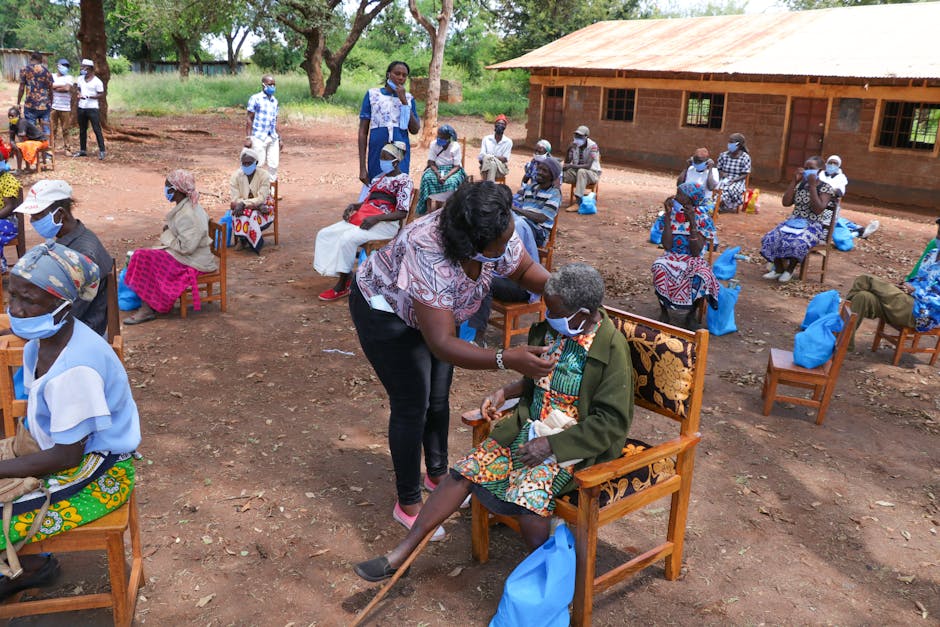
Photo by Denis Ngai on Pexels
Tax and Money Matters for Winners
Prize homes have special tax rules. Know these rules before you win.
Capital Gains Tax on Property
You win a $800,000 house. You don't pay income tax on it. But you pay capital gains tax when you sell.
Let's say you win a house worth $450,000. You sell it three years later for $475,000. Your gain is $25,000. You pay tax on this gain at your tax rate.
If you held it over 12 months, you get a 50% discount. The original prize isn't taxed as income.
Cash prizes work differently. A $50,000 cash prize isn't taxable income. It must come from a real art union.
Stamp Duty on Property
South Australia doesn't charge stamp duty on art union prizes. You don't pay it when you get the house. Buying the same house costs about $16,500 in stamp duty.
This saves you real money. A $450,000 house is worth $16,500 more. You get a big financial benefit.
Costs After You Win
You must pay council rates each year. You pay water bills. You pay insurance. You pay for repairs.
In Mount Gambier, rates run $1,200 to $1,600 yearly. Water costs another $800-1,000.
Land tax doesn't apply to homes you live in. It applies to investment homes. If you win and keep the house empty, you pay land tax.
Important: Talk to a tax accountant before entering. Your situation may differ. Some people benefit from trusts. Others face different taxes. Get professional help.
Odds, Chances, and What You Should Know
Know the real odds before you play. Most people don't understand them.
Art Union Odds vs Other Lotteries
An art union sells 10,000 tickets. One person wins the big prize. Your odds are 1 in 10,000.
Powerball odds are 1 in 134 million. Art unions are much better. Even small draws with 3,000 tickets give odds of 1 in 3,000.
But most people don't win the big prize. You might win smaller prizes. Your chance of winning something is roughly 1 in 90.
Expected Value
Expected value is your average return. A $10 ticket in a $100,000 draw with 10,000 tickets is worth $10 on average.
In reality, you lose money. Costs cut payouts to 45-60% of tickets sold. A $10 ticket returns $4.50-6.00 on average.
But your money helps real people. It funds schools and health programs. This differs from casino games. There, profits go to companies.
The Psychology
People underestimate real odds. A 1 in 10,000 chance feels possible. They imagine winning. They buy tickets based on feelings, not math.
This feeling isn't necessarily bad. If you understand the odds, participation makes sense. Support a cause you believe in. The problem is spending more than you can afford.
Photo by Abdus Samad Mahkri on Pexels
South Australia's Charitable Gaming Rules and Legal Framework
Art unions follow specific legal rules. Mount Gambier charities must follow South Australian law.
The Charitable Gaming Act 1936 and Registration
South Australia's Charitable Gaming Act lets charities run draws. Registration isn't automatic. Organisations must apply to the Office of the Censor of Charitable Collections.
They must prove they are real charities. They must show they meet community needs. They must show good financial management. Only approved charities get draw licences.
This system stops fraud. Unregistered groups cannot legally run draws. If you join an unregistered draw, you have no legal help.
Financial Transparency and Reporting
Registered charities must file detailed financial statements. The Censor requires charities to report ticket sales. They must report prize payouts and costs. They must report money given to charity. Large draws need audits.
This transparency protects you. You can check that a Mount Gambier charity gives funds as promised. Financial records are public.
Non-compliance has penalties. Charities that lie about finances lose their licence. Legal action follows. This keeps South Australia's art union system honest.
Prize Rules and Draw Conduct
The Charitable Gaming Act limits certain prize types. Organisations cannot offer prizes of unclear value. Prizes must be clearly stated before draws.
Draw rules stop manipulation. Draws must be conducted publicly. Independent verification is required. Ticket distribution must be random. Winners must be selected fairly.
These safeguards protect you. They ensure draw legitimacy.
Mount Gambier's Regional Context and Community Impact
Mount Gambier is South Australia's regional hub. Art unions function differently in regional areas.
Economic Challenges and Service Funding Gaps
Mount Gambier's economy relied on forestry and agriculture. Timber processing declined significantly. Agricultural prices go up and down. This creates funding challenges.
Government funding for regional services often isn't enough. A Mount Gambier school gets the same funding as Adelaide schools. But regional schools have higher transport costs. They struggle to hire staff. Art unions help bridge this gap.
Disability services and mental health programs also have tight budgets. Specialist services are in major cities. Art unions let Mount Gambier keep local support.
Community Cohesion and Social Capital
Art unions get communities involved. A school draw raises funds and involves parents. A youth organisation draw strengthens volunteer networks.
This community strength matters. Regional communities do well with shared efforts. Art unions fund real needs.
Comparison to Urban Art Unions
Large property draws happen in capital cities. They offer property worth $1-5 million. Mount Gambier draws offer smaller prizes. They offer property worth $200,000-600,000. Or they offer cash prizes of $50,000-200,000.
This reflects regional property values. A Mount Gambier house worth $450,000 is valuable to residents. Smaller prizes reflect smaller populations. Mount Gambier has 28,000 residents.
It can sustain draws selling 5,000-15,000 tickets. This generates revenue for community funding. Major draws would need more sales than the population allows.
Common Mistakes Winners Make (and How to Avoid Them)
Art union winners sometimes face problems. Early planning prevents these issues.
Failing to Plan for Tax and Ongoing Costs
Winners who receive property sometimes can't afford ongoing costs. Council rates, maintenance, and insurance add up. Renovations cost money. They sell quickly at a loss. Or they struggle financially.
Calculate ongoing costs before claiming a property prize. If you win a $450,000 Mount Gambier house, budget $3,000-4,000 yearly. This covers rates, water, insurance, and maintenance. Can you pay this forever?
Neglecting Legal and Financial Advice
Some winners claim prizes without consulting accountants or lawyers. They later find tax problems or missed benefits. Professional advice costs $500-1,500 but saves you money.
Hire a tax accountant right after a major win. Talk about ownership, taxes, and property plans. Hire a lawyer to check prize paperwork and transfer needs.
Underestimating Property Transfer Complexity
Winning property differs from buying it. Transfer paperwork must follow South Australian property law. Charities usually handle this. But you should check the work yourself.
Make sure the property transfer has clear title. Check that all rates and charges are paid. Get building and pest inspections done. These steps protect your rights and find hidden problems.
Making Emotional Decisions About Prize Property
Some winners get properties in wrong areas. A Mount Gambier home might be nice. But it could be three hours from your family. Winners keep properties out of emotion, not logic.
Make prize property choices based on facts. If the property doesn't fit your life, sell it. The tax break disappears if you struggle to pay costs.
Smart Winner Tip: Make a "Prize Win Plan" before entering big draws. What would you do if you won? Calculate taxes and costs. Check if the prize fits your life. This stops emotional choices made under pressure.
How to Identify Legitimate Art Unions and Avoid Scams
South Australian rules are generally strong. But scams still exist. Learn how to check if an art union is real.
Verification Steps Before Purchasing Tickets
First, check if the charity is registered. Call the Office of the Censor of Charitable Collections. Ask for the registration number. Check this number yourself.
Second, read published financial statements. Real charities share annual reports. They show how money gets used. If they hide this, question them.
Third, check the charity's stated purpose. An art union by a disability service makes sense. An art union by an unknown group seems risky.
Red Flag Warning Signs
Watch out for prizes that seem too good. A small art union cannot offer $5 million homes. Huge prizes suggest fraud.
Avoid groups that want wire transfers or crypto. Real charities take cheques or bank transfers. Real charities take credit cards.
Question groups that rush you or hide information. Real charities welcome your questions. They give you clear facts.
Be wary of draws with no end date. Real art unions announce dates clearly. They run draws on time.
Reporting Suspected Fraud
If you think an art union is fake, report it. Call the Office of the Censor of Charitable Collections. Give the name, number, and details of the fraud.
Contact South Australian Consumer and Business Services. They check unlicensed games and complaints.
Reports protect people and keep legitimate fundraising strong.

Photo by Tima Miroshnichenko on Pexels
Comparing Art Unions to Alternative Fundraising Methods
Groups have many ways to raise money. Understanding art unions helps explain why Mount Gambier groups choose them.
Art Unions vs. Direct Grants and Government Funding
Grants often come with strict rules. A school might get money for teaching. But not for student help. Art unions give flexible money without limits.
Grants are hard to get and take time. Groups need grant writing skills. Art unions need less work after they start.
Art Unions vs. Fundraising Events
Events like dinners need many volunteers. They need hard work and good planning. They make money fast but aren't reliable.
Art unions take little work once they run. After tickets sell and the draw happens, work stops. Small groups with few workers can raise lots of money.
Art Unions vs. Membership and Donation Models
Membership systems build steady funding. But they need constant work. Donors want to see results and get thanks.
Art unions raise money fast. A group runs a draw for 6-12 months. Then they have funds for years ahead. This differs from membership models that need constant care.
The Economic Reality for Regional Charities
Mount Gambier's small size limits some fundraising. A big gala in Adelaide draws 500 people. Mount Gambier draws 100-150 people instead.
Art unions fit any town size. Small towns sell fewer tickets. But the model still works and makes money. Art unions suit regional charities well.
The Role of Charities and What Funds Actually Support
Art union money goes to real community needs. Understanding this shows why these draws matter.
How Charities Use Art Union Revenue
A disability service spends $30,000 on wheelchairs. They buy vehicle ramps. They pay for therapy tools. These help clients live better lives.
A school funds $25,000 in scholarships. Poor students can go on trips. They get coaching. They buy computers. This cuts inequality and improves learning.
A youth group spends $20,000 on a drop-in centre. They hire more youth workers. They run mentorship programs. This cuts youth joblessness and prevents crises.
Health services fund counselling and mental health work. In rural areas, this creates local care that doesn't exist otherwise.
Real Examples from South Australian Charities
South Australian charities used art union funds to build tech labs in schools. They bought mobility gear for elderly care. They funded mental health crisis homes. They helped homeless outreach. They gave scholarships to regional students.
These results are documented and verified. Art union supporters see real community benefits.
Long-Term Sustainability and Community Building
Art unions help organisations survive long-term. Groups that run draws build money reserves. They can plan for years ahead. They're safer from sudden funding cuts.
This stability helps communities. Services stay reliable. Staff stay on. Quality goes up. Worry goes down.
Practical Steps for Participating in Mount Gambier Art Unions
If you want to participate, do it wisely and carefully.
Step 1: Identify Legitimate, Registered Draws
Find charities in Mount Gambier running art unions. Check if they're registered. Contact the Office of the Censor of Charitable Collections.
Pick groups whose work you care about. Like education? Support school draws. Like disability help? Support disability group draws.
Step 2: Set a Personal Budget and Stick to It
Decide how much to spend each month or year. Treat it like entertainment spending. Never spend money you need for basics.
A smart approach: spend $10-50 monthly on art union tickets. This helps charities and stays affordable.
Step 3: Understand Prize Terms Before Purchasing
Read all prize rules carefully. What exactly do you win? If it's a house, where is it? What costs money each year?
For big prizes, talk to a financial adviser. Make sure you can handle the prize if you win.
Step 4: Maintain Records and Ticket Documentation
Save ticket stubs and emails. If you win, you'll need these. Good records also help you track spending.
Step 5: Seek Professional Advice if You Win
If you win big, talk to a tax accountant and lawyer. Discuss taxes and property details.
This costs money upfront. But it stops big money problems later.
Final Perspective: Art Unions as Community Partnership
Mount Gambier art unions are more than games. They're ways for community members to help local groups.
When you buy a ticket, you do three things at once: play for prizes, support services, and help fundraising. All three happen together.
Most people won't win big prizes. That's just math. But your money funds real community work. This makes art union tickets more than a gamble. You're also helping your community.
Use this approach: know the odds, respect your budget, pick trusted charities, and see tickets as community help with fun value. This way, you participate responsibly.
Mount Gambier groups use art union money. Learn how these draws work and their legal rules.
Find out about taxes. See how they help the community.