Discover how to support charity through Canberra prize home draws. Expert guide covering odds, taxes, operators & strategies for 2026.
Quick Answer: **TL;DR:** Sarah Mitchell won a $1.8M Canberra home from a $50 charity ticket in 2023. Prize home draws make $400M+ each year for charities. Canberra homes cost $1.2-2.5M.
Sarah Mitchell from Queanbeyan bought a $50 charity ticket in March 2023. She never thought she would win. Eight months later, she had the keys to a $1.8 million home in Forrest. Her story shows how charity giving can change lives. It also shows how Australia's prize home lottery sector works. This market makes over $400 million each year for charities across the nation.
The Australian Capital Territory has a special place in this market. It is the nation's capital and a small, wealthy area. This makes it very good for charity prize home draws. House prices in Canberra sit at $965,000 as of late 2026. Prize homes cost between $1.2 million and $2.5 million. These homes can change winners' lives. They also make big money for charity groups.

Photo by Daniel Morton-Jones on Pexels
The Canberra Charity Prize Home Market: How It Works
Canberra's prize home market is different from other Australian cities. It has 460,000 people in a small area. Most people are well-educated and earn good money. The Australian Capital Territory has the nation's highest household income at $120,000. This creates people who like big charity draws with high ticket prices. They want bigger prizes too.
Big companies like RSL Art Union often show Canberra homes in their draws. These homes are usually in good areas like Yarralumla, Deakin, and Red Hill. These homes have special Canberra features. They have nice gardens that fit the capital's planned design. They have energy-saving features for harsh winters and hot summers. Their style fits the capital's mix of new and old looks.
The ACT follows the Gaming and Racing Control Act 2021. This law helps charity gaming while keeping people safe. Unlike some states, the ACT knows these draws help the community. They don't put up big barriers.
Market Insight: Canberra prize homes sell out 40% faster than draws in other cities. This happens because the market is small and people have more money. Timing is key if you want to enter.
Main Charity Groups Running Prize Home Draws in Canberra
Several big players run charity prize home draws in Canberra. Each has different goals and ways of working. RSL Art Union works through RSL Queensland but runs draws across Australia. They are the biggest operator. Their prizes have included amazing Canberra homes worth up to $2.3 million. Their plan gives 40-50% of ticket sales to RSL groups. This money helps veteran support, community programs, and facility upgrades across Australia.
Mater Foundation is based in Queensland but often shows ACT homes in their draws. The money helps medical research and patient care across Australia. Their Canberra draws have featured luxury homes in areas like Forrest and Griffith. They often add extra prizes like luxury cars or cash. This makes total prize pools worth $3-4 million.
Local ACT charities also run smaller prize home draws. These usually feature homes worth under $1 million. Groups like Winnunga Nimmityjah Aboriginal Health have used prize draws well. They fund key community programs. But their draws don't reach as many people as national ones.
The Deaf Lottery offers "The BEST ODDS Ever" right now. They have an $800,000 major draw plus $100,000 in extra prizes. This shows a new trend toward better odds draws. The prize values are a bit lower but chances of winning are much better. Canberra people who like better odds choose these over huge prizes.
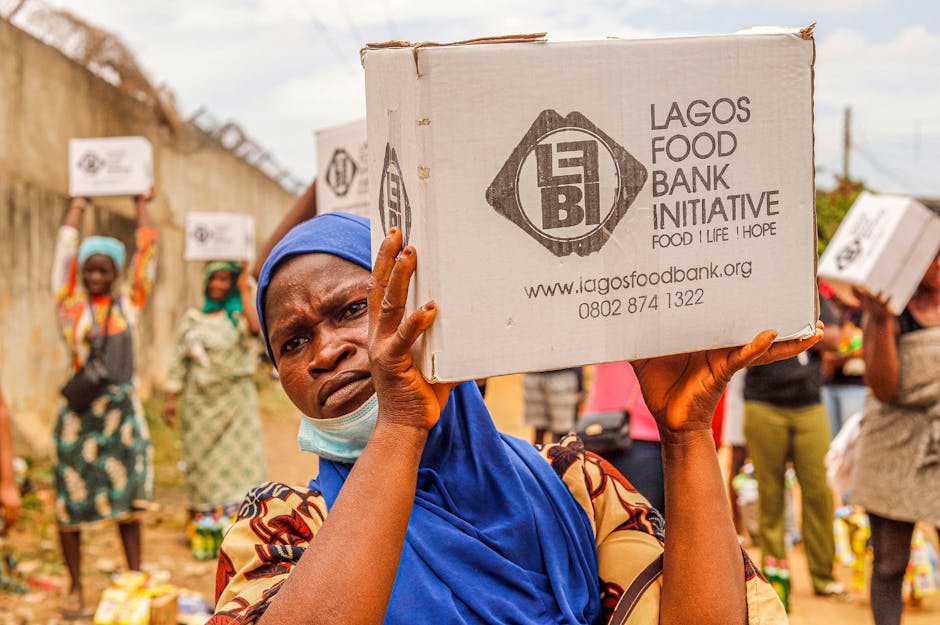
Photo by Lagos Food Bank Initiative on Pexels
Money Flow: How Your Ticket Buy Makes Impact
Learning how charity prize home draws handle money shows why they work so well. You buy a $50 ticket for a typical Canberra prize home draw. About $20-25 goes straight to the charity. This is after they pay for the property, ads, fees, and company costs. This 40-50% rate beats most other charity giving when you think about admin costs.
A typical $1.8 million Canberra prize home draw sells 80,000 tickets. Each ticket costs $50. This makes $4 million in total sales. The money gets split like this:
- $1.8 million (45%) goes to prize value and costs
- $1.6-2.0 million (40-50%) goes to charity programs
- $200-400,000 (5-10%) goes to admin and legal costs
This model works better than other fundraising ways. Corporate events might give 60-70% to the cause. But they make much less money overall. Direct mail gets 80-90% to charity. But fewer people respond each year.
The ACT makes operators report where all money goes. Buyers can check how their money helps charities. Reports show prize home draws raise more money than other charity games.
Tip: Always read the operator's yearly report before you buy tickets. Good charities show exactly where ticket money goes.
Tax Rules for Canberra Prize Home Winners
Winning a prize home in Canberra has special tax rules. These rules differ from other gambling wins. Under Australian tax law, you don't pay income tax when you win. But this changes after you take the property.
If you live in the prize home, it becomes your main home. You won't pay capital gains tax when you sell it later. But if you rent it out, you will pay tax on some gains.
For Canberra properties, stamp duty is another cost to think about. Prize home winners usually get the property free of stamp duty. The charity pays these costs. But winners should check this before taking the property. Stamp duty on a $1.8 million Canberra home costs about $71,330.
Many winners sell their prize home right away. This happens when the home costs more than their current one. In these cases, you pay capital gains tax on the whole sale. The tax is on the difference between win value and sale price. Canberra's strong property market means big tax bills.
Prize home winners need professional tax advice. The tax rules are complex. The money impact can be huge. The tax office gives guidance on prize wins. But each person's case can be different.

Photo by Josh Withers on Pexels
Best Suburbs: Where Canberra Prize Homes Are Built
Prize home locations are picked for good reasons. Inner South suburbs like Forrest, Deakin, and Red Hill appear often in draws. They sit close to Parliament House. They have tree-lined streets and good property values. These areas look prestigious and help sell more tickets.
Yarralumla is the top prize home location in Canberra. It sits in the diplomatic area. Block sizes are large. Property values can go over $3 million. The biggest national draws put homes here. Ticket sales across Australia can pay for higher prize values.
New areas like Molonglo Valley and Wright appear more in draws. Canberra's growth moves west. These locations have larger blocks and modern designs. They appeal to younger buyers. Properties here cost operators less but still offer great lifestyles.
North Canberra suburbs like Campbell, Reid, and Braddon sometimes get prize homes. These target young professionals who want city living. They sit close to the Australian National University. They have café culture and heritage charm.
Location picks also look at easy delivery factors. Suburbs with good roads work best. They have reliable power and water. They are close to main transport routes. This makes property handover easier. It also helps with upkeep during the draw period. This explains why newer outer areas rarely feature in big prize home draws. They might offer better value. But they create more work problems.
Odds, Statistics, and Probability: Understanding Your Real Chances
The math of charity prize home draws offers much better odds than regular lotteries. The tickets cost more. But your chances improve a lot. A typical big Canberra prize home draw sells 80,000 tickets. This gives odds of 1 in 80,000. That's 0.00125% of winning the major prize. Compare this to Powerball's 1 in 134 million chance. That's only 0.0000075% for winning Division 1.
Raw odds don't tell the full story though. Prize home draws have many prize levels. They offer early bird draws and cash prizes. These boost your overall winning chances. A full Canberra draw might offer:
- Major Prize: $1.8 million home (1 in 80,000 odds)
- Second Prize: $100,000 cash (1 in 40,000 odds)
- Third Prize: $50,000 cash (1 in 26,667 odds)
- Early Bird Draws: $25,000 cash prizes (odds vary by timing)
- Minor Prizes: $1,000-$5,000 cash prizes (better odds)
When you work out ticket value, think about both things. Look at the chance of winning. Look at the prize values compared to ticket costs. A $50 ticket in the example above gives an expected value of about $32-35. This looks at all prize levels. It shows a 64-70% return based on math alone.
Past data from major operators shows clear patterns in Canberra draws. Homes in inner south suburbs create higher ticket sales. This makes larger prize pools. But it cuts individual winning odds. Draws with newer suburbs may offer better odds. They still give life-changing prizes.
The idea of "value betting" applies to prize home draws. Early entry gives you extra benefits. You get early bird draws and sure ticket spots. Popular Canberra draws often sell out weeks early. This happens with top suburbs or special homes.
Statistical Reality Check: While 1 in 80,000 odds sound hard, think about this. You're 1,675 times more likely to win a major prize home draw than win Powerball Division 1. The math strongly favors prize home draws. This is true for anyone seeking real chances of a big win.
Common Mistakes and How to Avoid Them
Many prize home entrants make big errors. These either waste money or miss chances entirely. The most common mistake is buying many tickets in one name. This gives no benefit in random draws. It just costs more money. Prize home draws use random picks. Owning 10 tickets gives exactly 10 times the winning chance of owning one ticket. But it costs 10 times more. The odds per dollar spent stay the same.
Bad timing costs many people chances to enter good draws. Popular Canberra draws often sell out before closing dates. This happens with inner south homes. It also happens with draws by major operators. Early entry also gives access to early bird draws. These often offer better odds than the main draw. They need the same ticket buy. Waiting until the last minute risks missing sold-out draws.
Not knowing total home costs is a big mistake. Winners must think about ongoing costs. This includes rates. That's about $4,000-6,000 yearly for typical prize homes. Insurance costs $3,000-5,000 for high-value homes. Upkeep costs top $10,000 yearly for luxury homes. Many winners cannot afford to keep their prize home. They need big lifestyle changes.
Area rules confuse some entrants. Most major draws accept entries from all Australian states. But some smaller regional draws limit who can enter. Always check who can enter before you buy. Invalid entries cannot be refunded. They give no chance of winning.
Documentation mistakes can make winning entries invalid. Prize home operators need specific ID checks. They need proof of address. They sometimes need extra papers for prize claims. Keep your contact details current during the draw period. This prevents being picked but unreachable.
Tax planning failures affect many winners. They don't get professional advice before making choices. The choice between living in it, renting it, or selling it has big tax effects. Handling this wrong can cost tens of thousands of dollars.
Due Diligence: Evaluating Charity Prize Home Operators
Not all charity prize home operators keep the same standards. They differ in openness, money management, and charity impact. Before entering any draw, do full checks. Make sure your money supports real charity causes.
Start by checking the operator's charity status. Use the Australian Charities and Not-for-profits Commission (ACNC) registry. Real charity operators must keep current registration. They must file yearly reports. They must show ongoing compliance with charity rules. The ACNC website gives free access to money reports.
Check the operator's financial reports and statements. Good operators show what percentage of ticket sales goes to charity. They also show costs for admin, marketing, and prizes. Look for operators who give at least 40% to charity. Lower amounts suggest poor operations or high costs.
Check which charity programs your ticket will support. Good operators give details about funded programs and community results. They show how prize draws fit their broader charity work. Vague descriptions like "community support" should worry you.
Check if the operator gives out prizes as promised. The ACNC requires registered charities to do what they say. This includes giving out prizes. Some operators have faced action for delayed prizes. Others had disputes over prize details or money problems.
Check that advertised properties really exist and match descriptions. Good operators give property addresses and photo galleries. They also provide independent valuations. Some operators have used misleading property descriptions. Others failed to finish construction on time.
Check licensing and rule compliance in relevant areas. The ACT has supportive rules. But operators must still follow consumer laws and gaming rules. They must also follow charity fundraising requirements. The ACT Gaming and Racing Control Authority keeps public records.

Photo by Vanessa Gallagher on Pexels
Making the Most of Your Charity Impact Through Smart Choices
Winning is the main goal for most entrants. But smart people can make the most charity impact regardless of winning. Understanding how different operators split funds helps you support causes you care about.
Veterans' support groups like RSL Art Union use prize home money for homeless veteran housing. They fund mental health programs and community support services. If supporting veterans matters to you, their draws help directly. A single major draw might generate $2-3 million for veteran support.
Medical research charities like Mater Foundation use money for specific research programs. They buy medical equipment and support patients. These groups often give detailed reports on research results funded by prize draws. Medical charities often achieve higher percentages to charity purposes.
Local ACT charities run smaller prize draws. They often achieve higher percentage returns to charity programs. Groups supporting indigenous health, disability services, or local programs might give 60-70% of gross proceeds. This makes smaller contributions more impactful per dollar.
Consider spreading your participation across multiple draws supporting different causes. Don't put all your money in single draws. This approach spreads your winning chances while supporting broader charity goals. Your overall charity impact increases across multiple worthy causes.
Time your participation around specific fundraising goals to increase impact. Many charities run prize home draws to fund particular projects. These include new facilities, equipment purchases, or program expansions. Contributing to these targeted campaigns ensures your money supports specific outcomes.
Some participants set annual charity budgets for prize home draws. They treat them as a hybrid investment in personal benefit and guaranteed charity impact. This approach gives disciplined spending limits. It also ensures consistent support for chosen causes.
Legal Rules and Consumer Protections
Prize home draws follow complex legal rules. These rules protect you and support charities.
Understanding the law keeps you safe. It helps legitimate charities do good work.
Australian Consumer Law applies to all prize draws. This includes draws run by charities.
Operators must describe prizes accurately. They must follow all advertised terms. They must give prizes as promised.
Misleading conduct rules apply to charity operators. You have legal options if they break rules.
The ACT's Gaming and Racing Control Act 2021 protects you. It requires independent draw supervision. It demands secure ticket numbering. It ensures transparent prize allocation.
Operators must give full refunds if draws are cancelled. This happens when they don't sell enough tickets.
Cooling-off rights don't apply once draws start. Prize draws are random. Operators can't take back tickets.
Privacy laws control how operators use your information. Good operators have clear privacy policies.
These policies explain why they collect data. They show how they keep it safe.
Watch out for operators asking for too much information. Avoid those with unclear privacy policies.
Good operators have complaint procedures. Authorities can investigate serious problems. The ACNC helps when charities fail their duties.
Winners in different states face cross-border issues. They should understand property transfer laws. They need to know stamp duty rules.
Legal Protection Tip: Keep all ticket confirmations and operator letters. Keep any draw terms you receive. These prove your claim if disputes happen.
The Future of Charity Prize Home Draws in Canberra
New trends are changing prize home draws now. Digital transformation is a major shift.
Operators use social media and influencers more. Online ads replace old TV and print campaigns.
This reaches younger people better. It cuts marketing costs too. More money goes to charity.
Sustainability is becoming more important. Canberra wants eco-friendly homes.
Prize homes now have solar systems. They have energy-efficient appliances. They include water-saving systems. They use sustainable materials.
These features appeal to conscious buyers. They reduce long-term ownership costs.
Governments balance charity support with consumer protection. The ACT takes a progressive approach. This helps Canberra prize home activity grow.
Technology improves draw transparency now. Blockchain creates fair random numbers. Live-streamed draws build trust. Real-time ticket tracking shows draw integrity.
These improvements address fairness concerns. They reduce operator costs.
Larger charities are buying smaller operators. They form strategic partnerships too. This improves efficiency. More money goes to charity.
But diversity in draws may decrease. Supported causes may become fewer.
Prize options are expanding beyond single homes. Multi-prize packages are growing. Cash options and experiences are becoming popular.
Some winners choose cash instead of property. Others pick combinations of both.
This flexibility matches what winners actually want.
Online platforms expand participant bases nationally. Canberra prize homes compete for wider attention. This boosts fundraising for local charities.
But competition from other markets increases. Prize selection criteria may change.
Actionable Steps for Prospective Participants
Ready to support charity? Here's how to participate in Canberra prize draws:
Step 1: Set Your Budget and Goals
Decide your annual charitable giving budget. Work out what percentage you're comfortable putting into prize home draws. Think of this as a hybrid investment. It's part charitable donation and part lottery ticket. Most experienced participants put $200-500 annually across multiple draws. They don't put large amounts in single draws. This approach spreads your chances while supporting multiple worthy causes.
Step 2: Research Current and Upcoming Draws
Check major operators' websites and subscribe to their newsletters. This gives you advance notice of Canberra draws. Popular inner south suburb properties often sell out quickly. Early awareness gives you competitive advantages. Create a spreadsheet tracking draw dates and prize values. Also track ticket prices and closing dates for draws matching your criteria.
Step 3: Check Operators Carefully
Before entering any draw, verify the operator's ACNC registration. Review their latest annual report. Check their track record of prize delivery. Look for operators giving at least 40% of gross proceeds to charitable programs. Make sure they have transparent financial reporting.
Step 4: Understand Tax Rules
Talk to a tax expert before you enter draws. Learn about CGT, stamp duty, and ongoing property costs. This helps you make smart choices about prize homes. Planning ahead stops costly mistakes if you win.
Step 5: Make Your Entry Plan Better
Enter draws early to get early bird prizes. This also makes sure you get tickets before they sell out. Don't buy many tickets in the same draw. Your odds per dollar stay the same no matter how many tickets you buy.
Step 6: Keep Your Details Current
Make sure your phone, email, and address stay up to date with all operators. Update your details right away if they change. Operators only have a short time to try calling winners.
Step 7: Plan What You'll Do If You Win
Before you enter draws, think about what you'd do with prize homes. Would you live in the home, sell it, or rent it out? Having a plan helps you decide quickly if you win. This can save thousands in taxes and costs.
Step 8: Keep Records of Everything
Save digital and paper copies of ticket receipts and payment records. Keep all emails with operators too. Use cloud storage so you can find these papers if you need them. You might need them to claim prizes or solve problems.
Charity prize home draws are one of the best ways to help others in Australia. Winning is unlikely for any single person. But the odds are better than regular lotteries. Plus your money always helps charity. This makes them worth thinking about.
The key to success is being smart, not just hopeful. Learn about the operators and understand the math. Think about taxes and keep realistic hopes. This way you help good causes while getting real chances at great prizes.
You can support veterans through RSL Art Union draws. You can help medical research through hospital lotteries. You can back local ACT programs through regional operators. Your entry helps create real change while giving you chances at life-changing prizes. Regular investments give poor returns and normal lotteries have terrible odds. Charity prize home draws offer something special for people who want both money opportunities and social impact.