Discover proven ways to support homeless youth across Australia. From volunteering to advocacy, create real impact with our comprehensive guide.
Quick Answer: Over 28,000 young Australians aged 12-24 lack safe homes each night. Indigenous youth make up 27% but are only 5% of the population. This guide covers volunteering, donations, and advocacy.
Over 28,000 young Australians aged 12-24 have no safe home each night. This happens everywhere—from Melbourne to Dubbo to Cairns.
Many ways exist for everyday Australians to help these young people.
Youth homelessness is not just about teenagers on city streets. The reality is more complex. It includes couch surfing and temporary housing. It includes overcrowded homes and long-term housing cycles.
We must understand this bigger picture to give good support. This creates lasting change instead of quick fixes.
This guide shows the best ways to support homeless youth. We cover money gifts and volunteering chances. We also look at policy work and community programs.
You might want to help locally. Or your business might seek good partnerships. These strategies will help you make real change.

Photo by Negative Space on Pexels
Understanding Youth Homelessness in Australia
About 28,000 young people face homelessness each night in Australia. This comes from the latest Australian Institute of Health and Welfare data. But this only counts those sleeping rough. It only counts those moving between temporary places.
The true number includes thousands more. They live in overcrowded or unsafe homes. They have no secure housing.
The numbers show worrying patterns. Aboriginal and Torres Strait Islander youth are over-represented. They make up roughly 27% of homeless young people. But they are only 5% of all youth.
Young women aged 15-19 are the fastest-growing group. They often flee family violence or unsafe homes. LGBTIQ+ youth face much higher homelessness rates. They are up to four times more likely to lack housing.
Youth homelessness happens in major cities. But it also affects regional areas badly. Sydney's Inner City and South Sydney report high numbers. Regional centres like Townsville, Darwin, and Alice Springs show high rates.
The Northern Territory always reports the highest youth homelessness rates. Over 60 young people per 10,000 lack homes there. This is nearly three times the national average.
Key Insight: Youth homelessness costs Australia about $626 million each year. This includes health services, justice system use, and lost work output. Early help programs cost $13,000-$18,000 per young person. But they can prevent decades of ongoing support needs.
Direct Money Support Options
Money gifts are one of the most flexible ways to support youth services. They are also one of the quickest ways.
Understanding how different groups use funds helps your impact grow. Major charities like Anglicare Australia run youth programs. Mission Australia and The Salvation Army also run these programs. But smaller regional groups often give more targeted services.
Monthly donations work better than one-time gifts. A monthly $50 gift ($600 each year) can fund about 20 nights of crisis housing. Or it can fund case management support for three months.
Large annual gifts of $2,000-$5,000 can sponsor specific program parts. These include education support and mental health help. They also include job training programs.
Corporate partnerships offer bigger impact chances. Many Australian businesses now support youth homelessness in their plans. Workplace giving programs through Good2Give let employees make pre-tax gifts. This makes each gift more valuable. Some employers match employee donations. This doubles the impact.
Target your donations based on specific results. Housing First programs give stable housing without conditions. These show strong success over time.
Education programs help young people finish Year 12. They help gain job skills. These create paths out of homelessness. Mental health and substance abuse programs tackle root causes. These often lead to housing problems.
Volunteering and Direct Service Chances
Volunteering with youth homelessness services needs commitment. It needs proper screening and often specific training. But it gives chances to create meaningful connections.
You can connect with young people facing housing crisis. Most groups need volunteers to pass Working with Children Checks. You must pass police screening. You must take trauma-informed care training before direct service roles.
Meal programs run in every Australian city and most towns. Orange Sky started in Brisbane. Now it runs mobile laundry and shower services in over 30 places. Volunteers work regular weekly or twice-weekly shifts. This helps build trust with young people.
Teaching and mentor programs help in deep ways. Groups need volunteers with job skills. These include teachers, tradespeople, counselors, or business workers. They give tutoring, career help, or life skills training. The Smith Family's Learning for Life program helps young people. Volunteer mentors give school and personal support.
Office work suits people who like indirect support. This includes fundraising, social media, grant writing, and care. These jobs often have flexible hours. They work well for volunteers with limited time.

Photo by Julia M Cameron on Pexels
Supporting Through Employment and Skills Development
Jobs are very hard for homeless young people. Without a home, keeping work is tough.
No income means no money for housing. This trap can last for years.
More Australian bosses now hire homeless youth. This helps young people and business.
Social enterprises hire youth all over Australia. Green Connect in Wollongong is one example.
Young people work in farming and food delivery.
STREAT runs cafes in Melbourne and Sydney. They teach hospitality skills and job paths.
These models show how business can help.
Regular bosses can help homeless youth easily. They can accept different contact methods.
Use community addresses or mobile phones only.
They can offer flexible start dates. They can give money for uniforms or transport.
This removes work barriers.
Some bosses work with youth services. They give job training and apprentice chances.
Skills programs help youth get jobs. Mobile training units teach skills.
Online learning through community centers helps too.
Short intense courses work well. Young people learn while handling housing problems.
Popular programs teach hospitality and construction. They also teach forklift use and digital skills.
Employment Success Rates: Young people with stable jobs stay housed. They keep housing 73% more often after 12 months. Mixed housing and job programs work 68% of the time.
Advocacy and Policy Support
System change needs policy work. This tackles why youth become homeless.
Australia has three government levels. These are federal, state, and local.
Different levels control homelessness help. This helps target your advocacy better.
Federal policy controls social security payments. It also controls mental health funding.
Youth Allowance is $395.30 every two weeks. This is for independent young people.
This is far below rent in most cities.
Advocacy groups point out this problem. They ask for higher payments and easier rules.
State governments control most housing policy. This includes social housing and tenant law.
It also includes crisis housing funding.
Victoria's Big Housing Build gives $5.3 billion. Some goes to youth housing.
Queensland's Housing Strategy aims to cut youth homelessness by half.
Good advocacy means talking to state housing leaders. Join policy talks.
Local advocacy focuses on planning rules. It focuses on crisis housing approvals.
Many councils now hire homelessness staff. They join regional homelessness networks.
Community members can push for zoning changes. These allow crisis housing facilities.
Fight against NIMBY responses to youth services. Support council money for homeless help.
Join advocacy groups to make voices stronger. The National Youth Coalition for Housing welcomes members.
They run regular advocacy campaigns.
Youth Affairs Council groups do policy work. This is for young people.
Social workers include homelessness in their advocacy.
Community-Based Support Initiatives
Local programs help homeless youth right now. They have less paperwork than big agencies.
They respond fast to new needs. They build real community ties.
Community pantries give food to homeless youth. This meets their main need.
Modern food programs let young people cook. This keeps their dignity and teaches skills.
FareShare works across many states. They give extra food to community groups.
Clothing drives help a lot. But they need good planning.
Homeless youth want practical things like backpacks. They need phone chargers and hygiene items.
They need warm clothes.
Community groups should work with other services. This finds gaps instead of repeating help.
Community housing matches young people with host families. This includes community-owned housing projects.
Nightingale Housing started in Melbourne. It gives cheap housing for young people leaving homelessness.
Fun and arts programs matter too. Homeless youth need more than survival help.
They need chances to meet others and grow.
Sports clubs, arts programs, and music groups help. Outdoor activities feel normal.
They help build social networks that support housing.
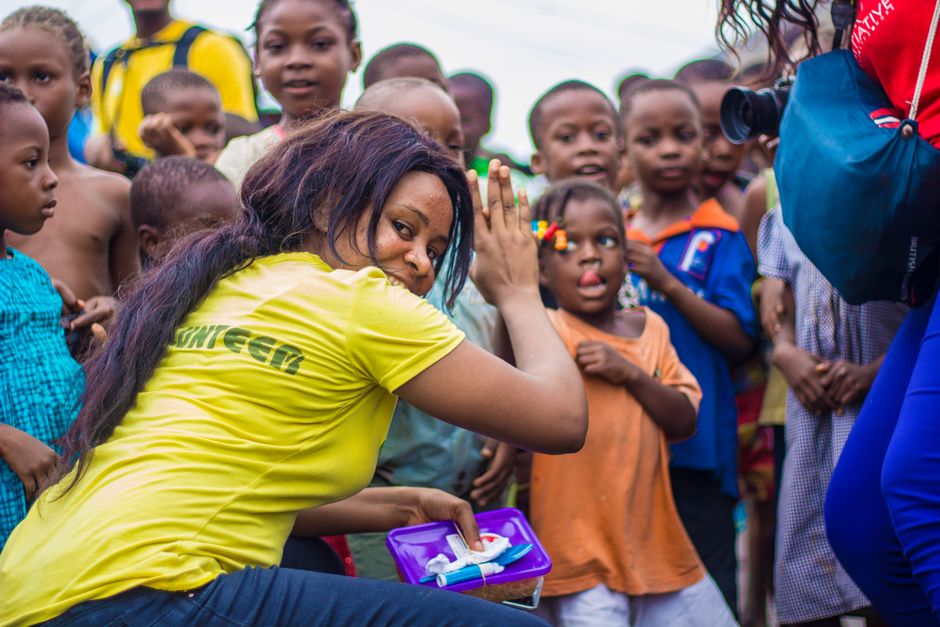
Photo by Lagos Food Bank Initiative on Pexels
State-by-State Support Landscape
Each Australian state helps differently. They have different people, money, and plans.
Knowing these differences helps you find local help.
New South Wales has the biggest youth system. It has over 180 youth services.
The NSW Future Directions plan includes youth help.
Mission Australia and Anglicare NSW give crisis housing. Most services are in Sydney's inner city.
But Newcastle, Wollongong, and Wagga Wagga also have big programs.
Victoria helps families early when possible. The Housing First for Youth program gives instant homes. It reports 85% success after 12 months.
Melbourne's inner areas have many youth services. Cities like Ballarat, Bendigo, and Geelong offer strong help.
Queensland faces big challenges. People live far apart. Many Indigenous youth become homeless.
Brisbane Youth Service helps in the city. Youth Housing and Reintegration Service also helps. Townsville Community Legal Service helps with homes.
Western Australia's youth services focus in Perth. Anglicare WA and Mission Australia run most services. Mining work makes housing costs too high.
Temporary worker housing can make rent very high.
Regional Variations: Homelessness rates differ across states. NT has 61.2 per 10,000 young people. Tasmania has 14.8 per 10,000. But services often miss where needs are highest. This creates big gaps in remote areas.
Prevention and Early Intervention Strategies
Programs that stop homelessness work much better. They also cost less than crisis help.
Early help costs $13,000–$18,000 per year. But it stops lifetime costs over $300,000. These programs focus on family, school, and mental health.
Family help services fix conflicts. Without help, young people might leave home. Relationships Australia runs family dispute services nationwide.
They have programs for parent-teen conflicts. These services fix 67% of families. This works when they help early.
School programs find young people at risk. They help before housing crises happen. Youth workers go right into high schools.
They work in high poverty areas. They spot missing school and bad grades. They see family conflict and help young people.
Mental health problems often break up families. They also cause housing problems. Early help stops this.
Headspace helps young people with mental health. They have 140+ locations across Australia. They help with mental health and drug issues.
They also help with health and friendships. All this helps with stable homes.
Family violence programs help unsafe young people. They try to keep families safe together. They work with many services at once.
Aboriginal and Torres Strait Islander youth need cultural help. This help understands past trauma and culture.
Supporting Specific Vulnerable Populations
All homeless youth face big challenges. But some groups face extra barriers. They need special help.
We must understand specific needs. This helps us target support better. It also fixes real causes.
LGBTIQ+ youth become homeless much more often. They're four times more likely to lose homes. This is compared to other young people.
Family rejection is the main cause. This happens when they come out.
Services need LGBTIQ+ staff training. Staff must use right language. They must understand different cultures.
Young people need community support groups. Twenty10 in Sydney and Q Life help.
Aboriginal and Torres Strait Islander youth need cultural services. These services must know colonisation impacts. They must know about forced removals.
They must understand ongoing unfair treatment. Cultural connection and community help are key.
Many communities built their own programs. Yorganop in Western Australia gives homes. They also help Aboriginal children only.
Young people leave state care at 18. They get little help. About 40% become homeless within two years.
Support programs must teach life skills. They need ongoing case help. They need slow transitions, not sudden changes.
CREATE Foundation speaks for youth in care.
Young homeless parents face extra challenges. They need safe homes for kids. Services must help both parent and child.
This means working with adult homeless services. It also means working with family services.
Many refuges help young parents. They give homes with childcare. They also give parenting help.
Young people with disabilities lose homes more often. They face barriers getting homes. They face barriers getting help.
Services need disability access. Staff need disability training. They need NDIS links when needed.
Many homeless services lack proper access. This creates big service gaps.

Photo by Garaventa Lift on Pexels
Technology and Innovation in Youth Support
Digital tools help services reach homeless youth. Mobile phones and online services help. They meet young people where they are.
Digital innovation has one big issue. Many homeless youth lack technology access. They also lack digital skills.
Mobile phones are crucial for homeless youth. Phones help them access services. They give access to jobs and connections. Some groups give low-cost phone plans. Others give free devices.
The Salvos Youth Services app helps young people. It helps them find nearby services. It also gives crisis support. It keeps them connected with case workers.
Social media helps services reach youth. Many youth services use social media. They share practical information and booking options. They also share crisis support.
Peer support groups use private social media. They let young people share experiences. They let them support each other. But these need careful watching for safety.
Online education programs fit changing schedules. Homeless youth need this flexibility. TAFE Digital lets students study anytime.
Students can get real qualifications. Some programs help disadvantaged youth. They give mentoring and tech support. This helps students use technology better.
Data helps services see trends. Specialist Homelessness Services collects national data. It shows how many use services.
Bed systems help services share crisis housing. Some regions built case management systems. These let services work together. They keep young people's information private.
Corporate and Business Engagement
Australian businesses support homeless youth. It shows they care. Businesses need clear reasons to help.
Employee programs help both business and youth. Workers can give from their pay. Bosses often match these gifts. Teams can volunteer together.
Business experts mentor young people. Youth learn job skills. Happy employees stay longer. Programs improve staff morale.
Skilled volunteers share what they know. Accountants teach money skills. IT workers run tech classes. Marketing teams promote services.
Construction companies build or fix buildings. This helps more than money alone.
Supply chains can support social businesses. These hire homeless youth. Companies pick suppliers who hire disadvantaged young people.
Long partnerships fund programs with steady money. Businesses sponsor education. They give meeting spaces. They fund specific projects.
Long-term work lets services plan better.
Business Impact: Australian businesses in youth homelessness show 34% higher worker happiness. They show 28% less staff leaving. Companies get better reputation. They meet UN Goals that customers want.
Measuring Impact and Effectiveness
Good youth support needs regular measurement. This shows if programs work. Supporters can pick proven programs.
This helps push for better policies.
Housing outcomes matter most. But bed counts aren't enough. We need to know if housing lasts. Track how long people stay housed.
Track housing quality and safety. Track how young people move forward. They go from crisis to independent housing. Do young people like their homes?
Australian Institute of Health and Welfare tracks this. They use national service data.
School and job outcomes show long-term success. They break cycles of hardship. Track school completion. Track further education and training.
Track job outcomes and career growth. These take years to show. Need long-term measurement. Services must work closely together.
Health and wellbeing show if programs work. Mental health matters. Less drug use matters. Less crime matters.
Better friendships show successful support. But measure carefully. Respect young people's privacy.
Cost-effectiveness shows program value. This helps funding decisions. Australian Housing and Urban Research Institute publishes data. It covers program costs and benefits.
Prevention programs cost less than crisis help. They work better. But need different funding. Need longer to see results.
Include young people with lived experience. They help design program measurement. This makes measurement better. It captures what matters to users.
Youth spot problems others miss. They find gaps in support. Standard measurement misses these.
Long-Term Systemic Solutions
Crisis help is needed now. Real solutions need system changes. Address root causes. Fix housing, income, and family support.
Work across sectors. Government, groups, and business must team up.
Housing shortage is the main problem. It causes all homelessness. Australian rent costs hurt young people. They earn little. They lack work history.
Build more social housing. Lower rent prices. Try new housing ideas. Shared ownership and rent-to-buy help.
These let young people leave homelessness.
Income support helps young people keep homes. Youth Allowance is too low. It doesn't cover rent in most cities. Raise payments. Create special youth payments during moves.
Family support stops youth leaving safely. Add domestic violence services. Add family help programs. Teach parenting. Train staff on LGBTIQ+ youth. Early help stops homelessness. Keep families together safely.
Schools must help youth with housing struggles. Need flexible attendance rules. Need support staff. Need mobile teaching options. Some areas run special programs.
Job pathways help young people escape disadvantage. This includes apprenticeships. This includes social enterprise work. Jobs must pay enough for housing.

Photo by raksasok heng on Pexels
Taking Action: Your Next Steps
Supporting homeless youth needs ongoing work. One-time gifts are not enough. Every contribution helps when used well. Give time, money, or skills.
The best support mixes quick help with long-term change.
Start by finding local services. Learn about current programs. Find what's missing. Call your local council. Search Ask Izzy online. Contact Mission Australia or Anglicare.
Each group has volunteer jobs. They share what they need and want.
Think about what you can do. Give $25–$100 monthly for steady funding. Services can plan better with steady money. Use your skills to help. Run workshops or mentor young people.
Direct work needs weekly or twice-monthly time. But you build real bonds with youth.
Advocacy tackles root causes. Join advocacy groups. Talk about policy. Email elected leaders. Support housing-focused politicians.
Local work often works best. Go to council meetings. Back youth service requests. Build community support for programs.
Long-term help needs ongoing effort. Mix different types of support. Give monthly donations. Volunteer yearly. Do advocacy work. Check how programs perform.
Stay informed on policy changes. Adjust your help based on new needs.
Connect with others who want to help. Community groups boost individual gifts. They create ongoing local support.
Many great projects start small. Small groups work together over time.
See young people's potential. They face a temporary crisis. Give them practical help. Support changes they need. This builds stable housing. This helps them succeed. This builds good careers.
Your help plus others creates real change. We can end youth homelessness together.